
Train Navigator

8 mins
August 22, 2025
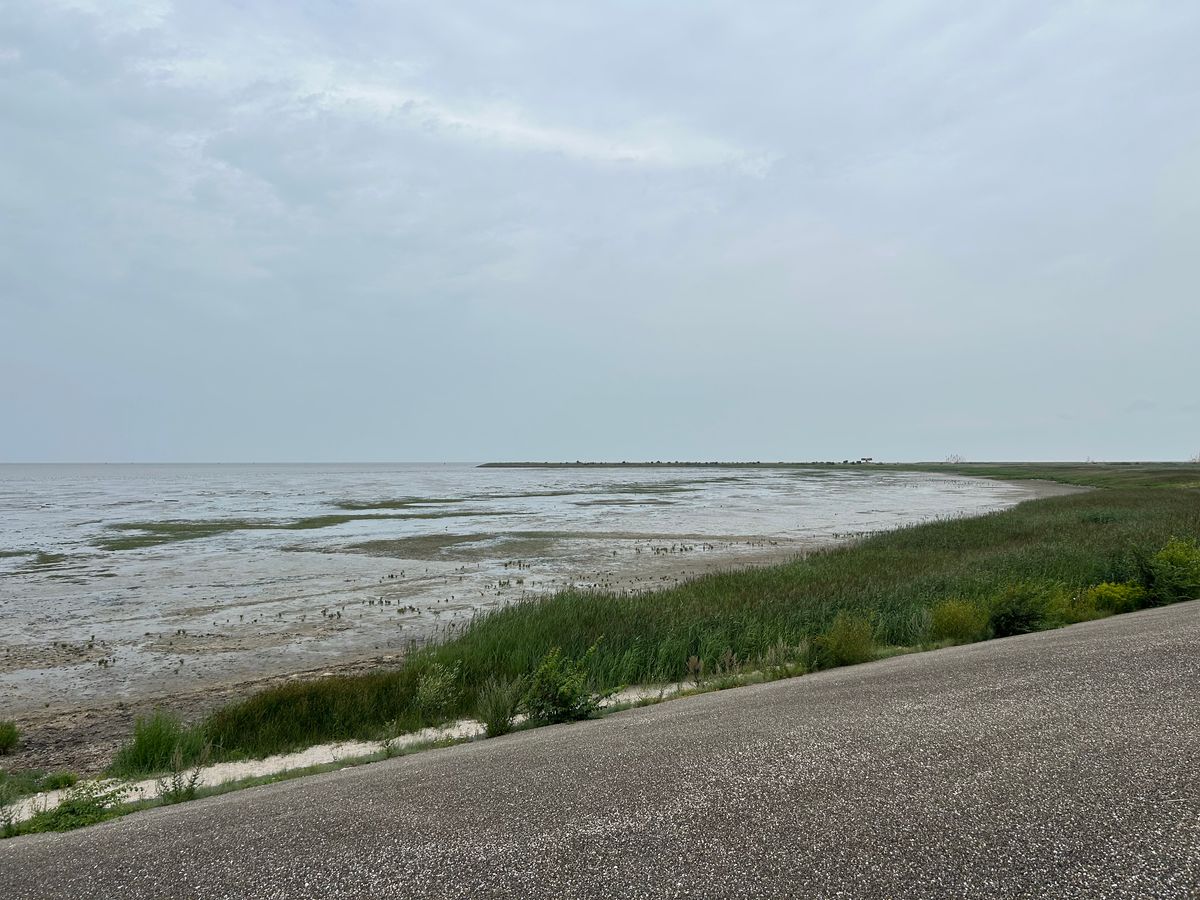
It’s called Wadlopen, or mudflat hiking, and it’s one of the most unusual and exhilarating ways to experience the Dutch coastline. At low tide, vast parts of the Wadden Sea become walkable. With a guide and good boots, you can trek across mud, sandbanks, and shallow channels where just hours earlier, waves had been crashing.
We recently did a wadloop tour starting near Den Oever, and it was unlike anything we’ve ever experienced. Here’s everything you need to know-from what it’s like, where to go, what wildlife to expect, and tips for making the most of it.
The Wadden Sea (designated a UNESCO World Heritage Site) is the largest unbroken intertidal zone in the world and one of Europe’s most ecologically important areas. More than 10,000 plant and animal species live in or depend on this ecosystem - including animals such as seals, polderbirds, shellfish, marine worms, crustaceans, and juvenile fish. It’s also a crucial feeding ground for 10 to 12 million migratory birds each year, who stop here to rest and refuel on their long journey between the Arctic and Africa.
Wadlopen is a form of guided hiking across the Wadden Sea seabed during low tide. The sea stretches along the coasts of the Netherlands, Germany, and Denmark. When the tide goes out, it reveals a vast expanse of glistening mudflats, sandbanks, and tidal creeks which creates a rare opportunity to walk across the ocean floor.
Depending on the route, some hikes simply traverse a short stretch of tidal flat, while others lead all the way to one of the Wadden Islands, such as Ameland or Schiermonnikoog. Regardless of the distance, every route offers a deep encounter with raw, shifting nature. You’re walking through a dynamic, ever-changing landscape, shaped daily by the rhythm of wind, water, and sky.
You can do wadlopen from several coastal towns along the Wadden Sea. Here are some of the main departure points:
Den Oever (Noord-Holland): You can join organized mudflat hiking tours from Den Oever, which is on the Wadden Sea and offers excursions suitable for different fitness levels, including beginners and families. It is described as quieter and less crowded compared to busier departure points.
Pieterburen (Groningen): Pieterburen is widely recognized as the most famous and busiest wadlopen departure point. It is the starting location for well-known crossings to Schiermonnikoog, with many organized hikes for both beginners and advanced hikers.
Harlingen (Friesland): Harlingen offers longer and more challenging crossings, especially the route to Terschelling, which is considered strenuous and suitable for experienced hikers due to distance and tidal conditions.
Lauwersoog (Groningen): Lauwersoog is a common departure point for mudflat hiking, with access to both shorter hikes and crossings, including routes towards the Wadden Islands such as Ameland.
Holwerd (Friesland): Holwerd is specifically the classic starting point for crossings to Ameland by foot during low tide.
Each area offers a variety of routes: from short scenic walks to full-day crossings that require good endurance and perfect timing with the tides.
We chose a beginner-friendly mudflat hike near Den Oever, offered by De Groot Recreatie. It’s the perfect option if you're looking for the full Wadden Sea experience - mud and wildlife without covering extreme distances. You’ll still get satisfyingly muddy in all the right ways.
Our day started at Hoorn Station, where we arrived by train from Amsterdam. From there, we took a bus to Den Oever, a charming harbor village nestled right along the Afsluitdijk. Rather than finding other transportation there, we opted to walk about 40 minutes along the coast toward our meeting point at 't Schippershuus in Hippolytushoef. That stretch was beautiful in itself with quiet countryside fields that opened up to expansive coastal views of the Wadden Sea, with the salty breeze and distant seabirds giving us a first taste of the nature to come.
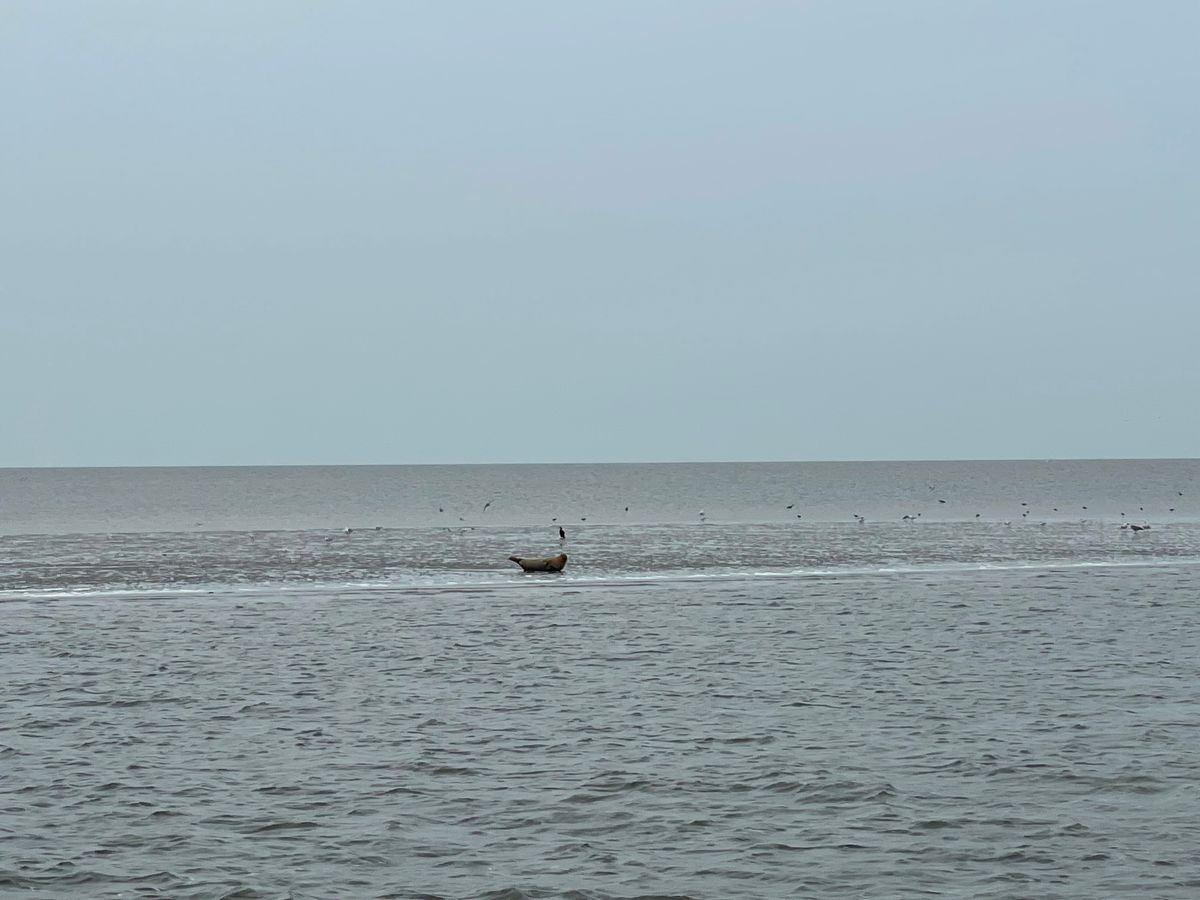
At the Schippershuis, we met our guide and received a short briefing. Then, we boarded the bus that took at us to the harbor of Den Oever. As we sailed out, the skipper shared stories about the Afsluitdijk, the history of land reclamation, and the unique marine ecosystem. To our delight, we spotted a couple of seals lounging on sandbanks (the blurry photo below really does not do justice to the beauty of these animals). They were undisturbed by our presence, and we were reminded to respect their space as they are a protected species in the Wadden Sea.
Once we reached the right spot, we were transferred to a small dinghy which dropped us directly onto the exposed seabed. We waded about 50 meters through knee-deep water, and just like that, we were walking on the sea floor. Over the next 1.5 hours, we hiked approximately 5 kilometers through a surreal landscape of sticky mud, shallow tidal creeks, and sandy ridges.
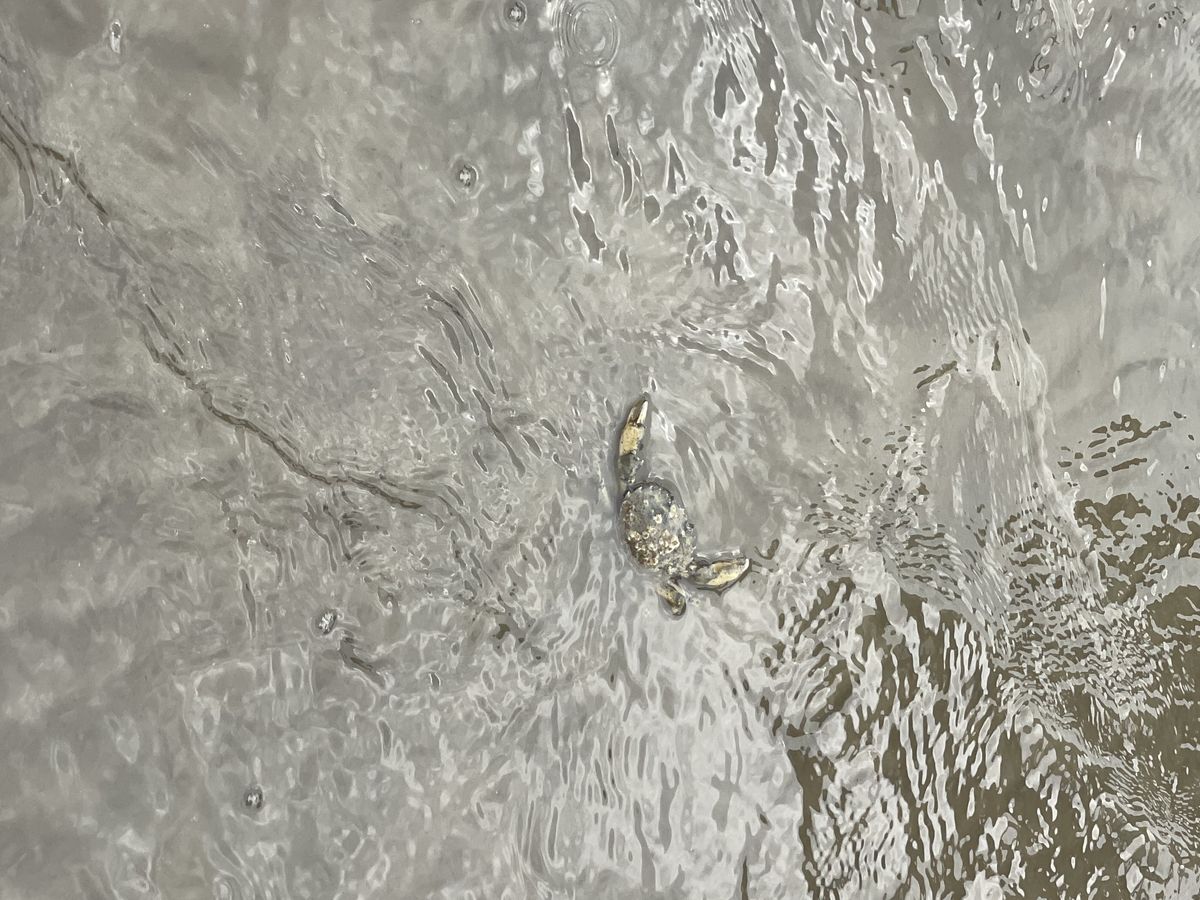
Along the hike, we encountered all kinds of marine life: small crabs, starfish, bright green seaweed, a jellyfish, and even a few dead crabs - a reminder of how dynamic and harsh this ecosystem can be. Above us, we spotted exotic coastal birds, likely some of the millions that migrate through the Wadden Sea annually.
The terrain constantly changed - at the end we were ankle-deep in thick mud that clung to our boots with every step. Eventually, we realized it was easier to glide over the surface, so we embraced it and started sliding across the mud like ice skaters, laughing as we moved with unexpected ease. It was fun, oddly meditative, and a little absurd in the best possible way.
What really took our breath away was the otherworldly view around us. The mud seemed to reflect the sky-endless grey-blue merging with clouds-creating a mirrored horizon so vast it almost disoriented you. It felt like walking through a dreamscape suspended between water and air.
We ended our walk at the sea dike, then continued on foot through the quiet rural landscape. Back at the Schippershuus, we rinsed off our boots and settled in for a well-earned serving of fish and chips (included in the experience) and arguably the best way to end a muddy day at sea.
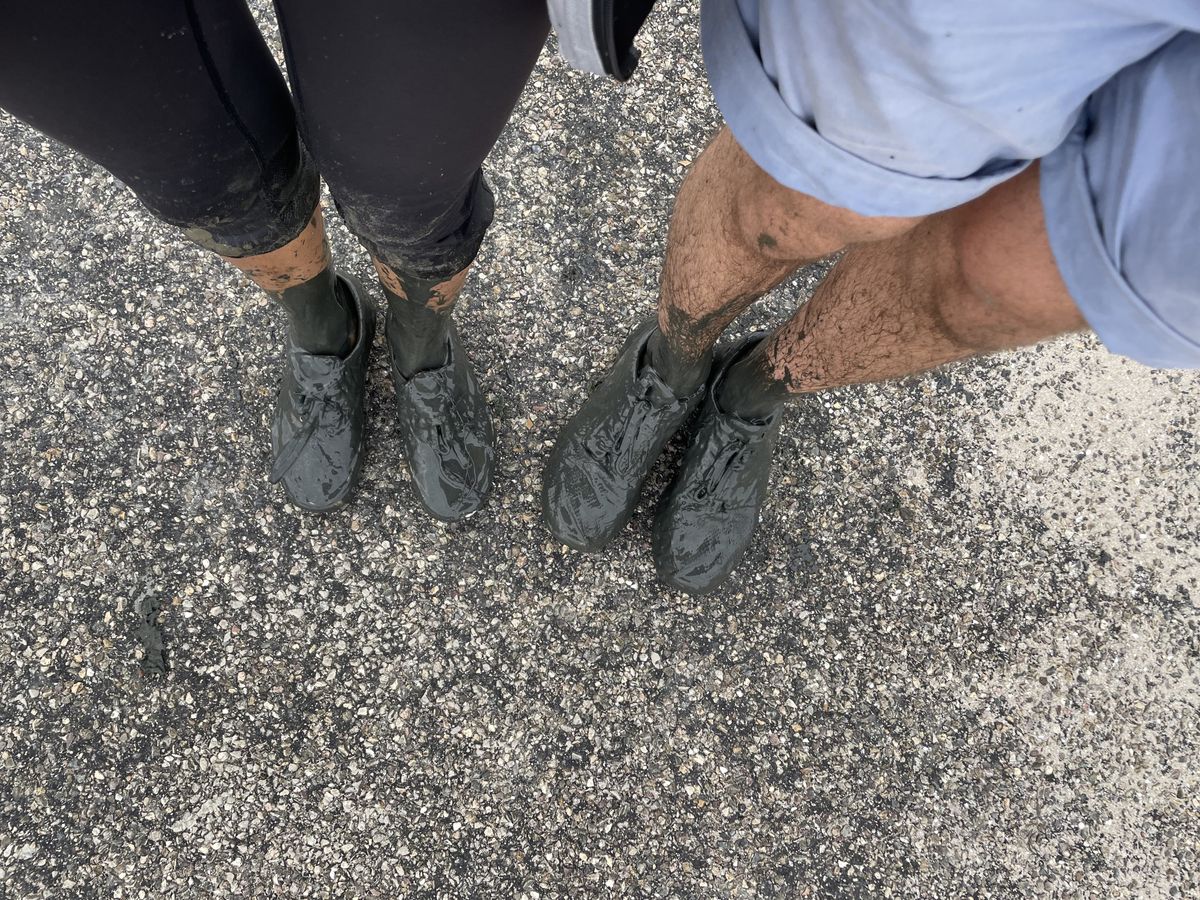
It’s messy. You’ll get wet, muddy, and maybe stumble a few times-embrace it.
Go with a guide. Always. The tides change quickly and the terrain can be dangerous without expert help.
Wear old clothes and ankle-high shoes or hiking boots. No flip-flops. Some people rent rubber shoes or bring neoprene socks/sailing boots. We learnt this the hard way.
Bring water, a small backpack, and layers. Wind chill on the flats is real-even in summer.
Timing is everything. Tours only run at low tide and are often rescheduled if the weather turns.
Some locations offer showers or hoses afterward-check in advance if that matters to you!
Wadlopen is more than a hike - it’s an immersion into one of the most dynamic landscapes close to the North Sea. It’s meditative, messy, and deeply connected to nature.
You feel the suction of the mud, watch thousands of birds fly overhead, and realize you’re walking across what was, just hours earlier, an ocean floor.
Whether you choose a short beginner-friendly route like we did near Den Oever, or set out on a full-day crossing to the islands-mudflat hiking is one of the most unique things you can do in the Netherlands.

A four-day village-to-village hike through Germany and Czech Republic's stunning winter sandstone landscapes

A 4-Day Journey through the Forests, Castles, and Vineyards of Baden-Baden

Conquer the High Tatras' Highest Peak on an Accessible Day Hike

How We Hiked Kinder Scout, Mam Tor & Stanage Edge Without Renting a Car
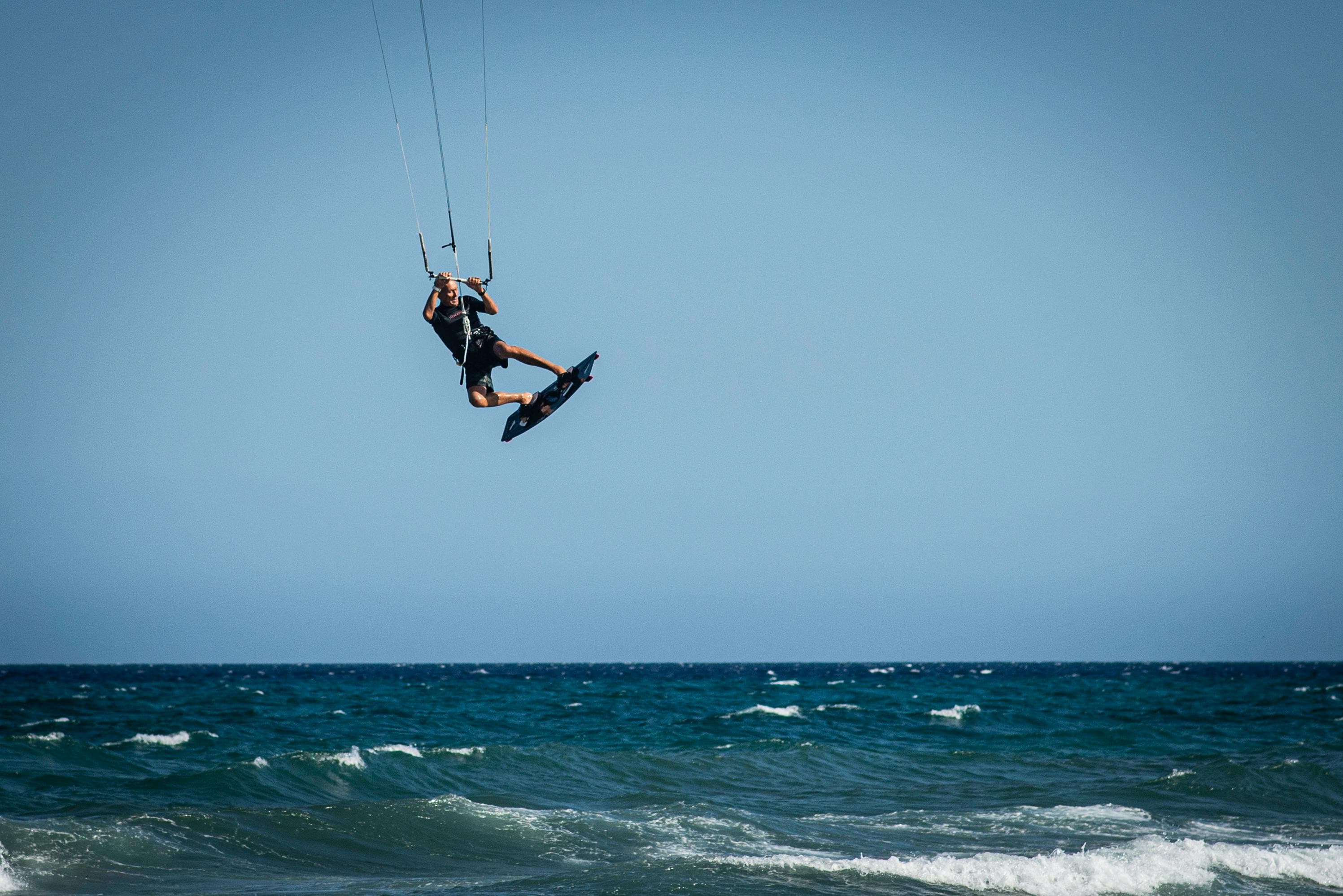
From the North Sea dunes of the Netherlands to the coasts of Wales and Denmark, chase the wind sustainably by rail

A complete guide to UK hiking by train - Peak District, Lake District, Snowdonia and the Cairngorms. No car needed.

A 3-Day Adventure in the Swiss Alps
Explore by Activity
Hiking
Skiing & Snowboarding
Beach & Surfing
Explore by Country